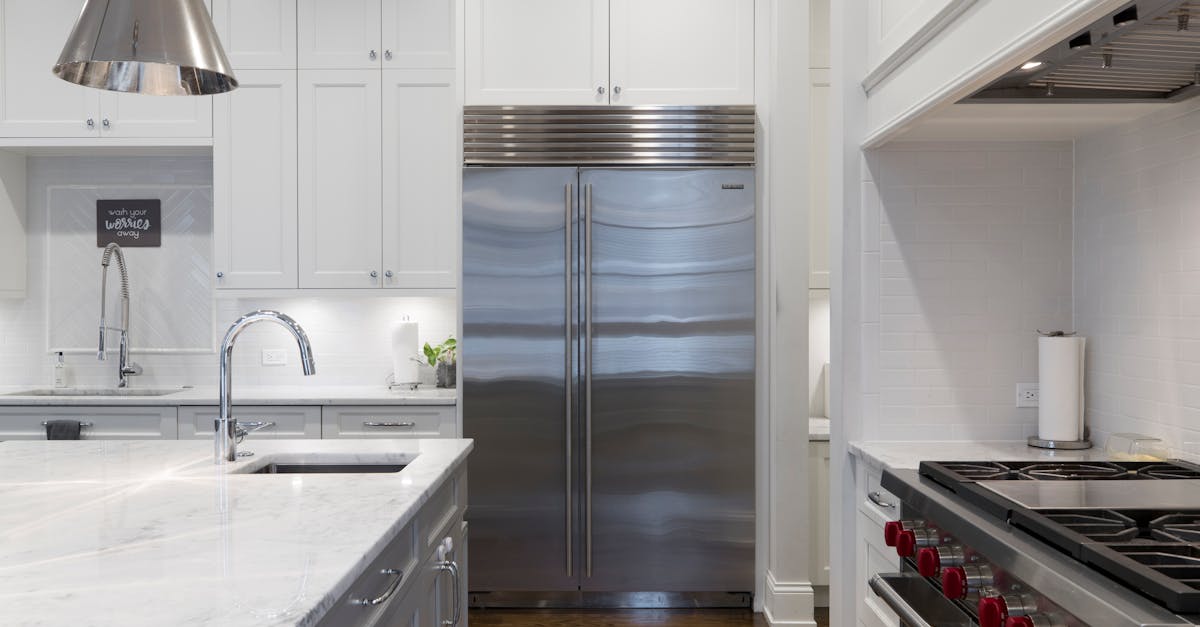
High Humidity Making Refrigerator Sweat: Understanding Causes and Solutions
In the heart of every home, refrigerators play a pivotal role in keeping our food fresh and our beverages cool. However, many homeowners in Austin have been facing a persistent issue during the humid months: high humidity causing the refrigerator to sweat. This blog post from Sub Zero Repair Austin will guide you through the causes of this problem, its implications, and most importantly, how to prevent and resolve it effectively.
Table of Contents
- What Causes a Refrigerator to Sweat?
- Internal Sweating Causes
- External Sweating Causes
- Prevention and Solutions
- Professional Help
- FAQ
- Conclusion
What Causes a Refrigerator to Sweat?
High humidity levels can trigger a phenomenon known as condensation inside and outside your refrigerator. This occurs when moist air interacts with cold surfaces, resulting in water vapor transforming into liquid droplets. While this is a common occurrence in humid environments, persistent sweating can indicate potential maintenance issues that need attention.
Internal Sweating Causes
- Frequent Door Openings: Each time the refrigerator doors are opened, warm, humid air enters, leading to condensation, particularly in non-frost-free models during humid months.
- Damaged Door Gaskets: Over time, gaskets can become dried out or damaged, allowing hot, moist air to infiltrate the refrigerator, causing moisture buildup.
- Improper Food Storage: Storing hot foods, uncovered liquids, or lidless containers can introduce excess moisture into the fridge, creating ideal conditions for condensation.
- Overloading the Refrigerator: When shelves are packed too tightly, airflow is restricted, which traps humidity within the unit.
- Startup or Power Outages: After a power interruption, warm air meets cold interiors, often resulting in temporary condensation that resolves once the refrigerator stabilizes.
- Blocked Air Vents: Low-temperature settings can exacerbate humidity accumulation in the refrigerator. Ensure that air vents are not obstructed to allow for proper air circulation.
External Sweating Causes
- High Ambient Humidity: Cold surfaces, especially on exterior panels, can drop near dew point temperature in humid conditions, leading to external sweating.
- Faulty Insulation: Poor thermal insulation or a malfunctioning thermostat can cause refrigerator walls to become too cold, leading to condensation.
- Leaky Gaskets: Just like on the interior, damaged gaskets can lead to cold air escaping, cooling the outside and encouraging sweating.
- Glass-Door Models: If your refrigerator has a glass door and is placed in a humid environment, the exterior may sweat when the room air exceeds the dew point.
Prevention and Solutions
Actionable Tips for Homeowners
To combat the issue of refrigerator sweating, homeowners can implement the following preventive measures:
- Minimize Door Openings: Limit the number of times you open your refrigerator, especially on hot and humid days.
- Adjust the Thermostat: On cold or humid days, consider setting your refrigerator to a warmer temperature.
- Check and Maintain Door Seals: Regularly inspect gaskets and ensure they are clean and functioning correctly.
- Cover Foods and Cool Hot Items: Use lids for liquids and cover hot foods before placing them in the refrigerator.
- Improve Room Conditions: Use a dehumidifier or air conditioning to maintain optimal humidity levels.
- Ensure Proper Installation: Ensure your fridge is installed correctly, away from heat sources, and that vents are unobstructed.
- Professional Maintenance: Seek professional help for ongoing issues, such as malfunctioning thermostats.
Professional Help
For ongoing issues, it’s crucial to seek professional help. Our certified technicians at Sub Zero Repair Austin specialize in diagnosing and resolving complex refrigeration problems.
FAQ
- Why is my refrigerator sweating? High humidity is usually to blame for condensation.
- How can I prevent sweating? Limit door openings and ensure good refrigerator ventilation.
- Should the gaskets be replaced? If they are damaged, yes, they should be replaced.
- Is it safe to keep using a sweating refrigerator? Temporary condensation is usually safe, but persistent issues require attention.
- When should I call a technician? If the problem continues after preventive measures are taken.
Conclusion
Understanding the causes behind high humidity making your refrigerator sweat is essential for effective maintenance. With simple preventive strategies and the expertise of Sub Zero Repair Austin, you can protect your investment and ensure your appliance stays in pristine condition.
Contact Sub Zero Repair Austin today to schedule your service appointment! Let us help you enjoy the full benefits of your luxury appliance without the hassle of moisture problems.