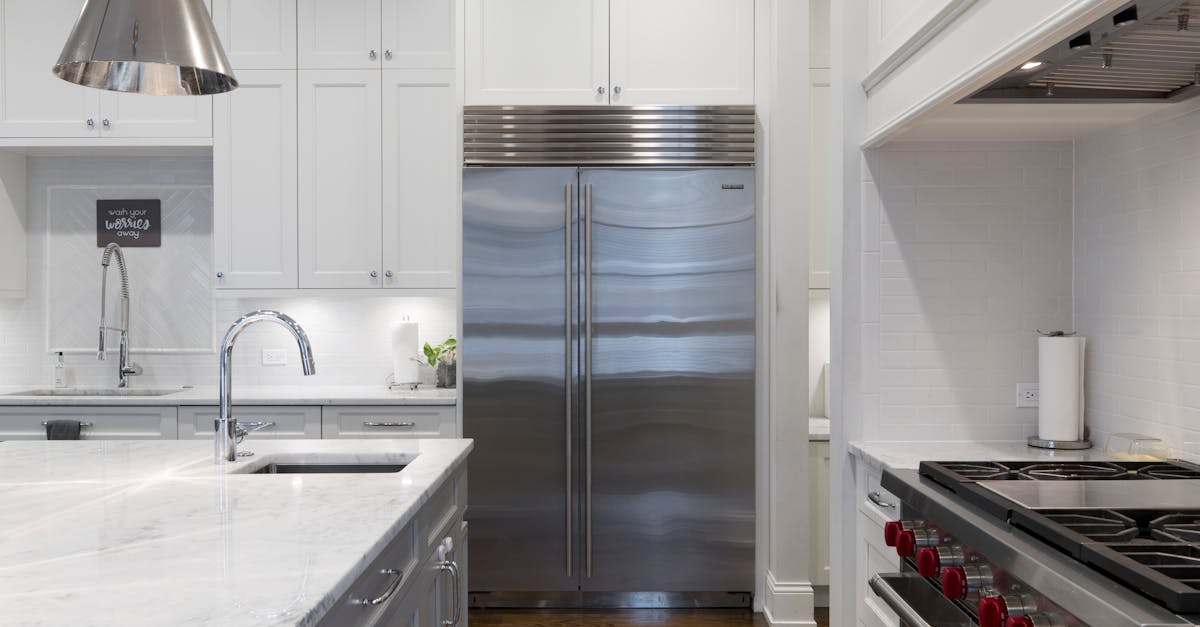
If you own a Sub-Zero refrigerator, you likely appreciate the unique blend of luxury and high performance that comes with these luxury appliances. However, like all high-end refrigerators, Sub-Zero models are not immune to issues, one of which is a clogged water filter. In this blog post, we’ll delve into what happens when your refrigerator water filter becomes clogged, the common causes behind this issue, and, most importantly, how to troubleshoot and resolve the problem effectively. As experts in Sub-Zero repair, maintenance, and troubleshooting, Sub Zero Repair Austin is here to ensure your appliances operate at peak performance.
Understanding Clogged Water Filters
A clogged refrigerator water filter can disrupt your appliance’s entire operation. It restricts water flow, imparts bad taste or odor to the water, produces cloudy water, and creates small ice cubes. If left unchecked, a clogged water filter poses risks like bacterial growth, impacting your health and the functionality of your appliance. Typically, filters need replacing every 6 months or every 200–400 gallons of use—whichever comes first. Failure to do so leads to trapped contaminants overwhelming the filter, which can quickly spiral into more significant issues.
Common Causes of Clogging
Understanding the root causes of a clogged water filter can help prevent future occurrences. Here are the primary culprits:
- Overdue Replacement: Water filters trap sediment, chlorine, rust, and other pollutants until they reach their saturation point. Continuing to use an overdue filter strains the system and hampers water flow.
- Poor Water Quality: If you’re using water with high mineral content or sediments, you may find your filter clogs more quickly. In such cases, consider replacing your filter more than twice a year.
- Installation Issues: Misalignment during installation, damaged O-rings, or failure to flush the system can lead to air or debris being trapped, simulating a clog.
- Neglect: Keeping old filters can foster bacteria growth and unpleasant odors, which not only affect the water quality but can potentially damage other components like dispensers and ice makers.
Signs of a Clogged Filter
Being vigilant about the signs your refrigerator water filter is clogged will help you address issues sooner rather than later. Look out for the following:
- Weak or Sputtering Water Flow: A noticeable decrease in water pressure coming from the dispenser can indicate a clogged filter.
- Unpleasant Taste or Odor: An odd taste, often described as “swampy,” or cloudy water is a clear indicator that your filter may be compromised.
- Small or Hollow Ice Cubes: If your ice cubes are smaller than usual, the filter could be the issue.
- Indicator Light Activation: Some models have lights that alert you when it’s time to change the filter.
Troubleshooting and Fixes for a Clogged Water Filter
If you’re experiencing any of the signs mentioned above, don’t worry! Here’s a step-by-step guide on how to troubleshoot and address the problem effectively, tailored for Sub-Zero users:
1. Replace the Filter
The first and most crucial step is to replace the filter immediately. Ensure you are using a compatible water filter designed specifically for your Sub-Zero model. Most filters are rated for 200–400 gallons, so keep track of your filter’s usage.
2. Inspect and Reseat the Filter
After replacing the filter, it’s important to check for any installation issues. Examine O-rings for nicks or twists; clean the filter housing thoroughly and ensure the filter is fully aligned and locked in place.
3. Flush the System Post-replacement
Once the new filter is in place, flush the system to remove any air or residual carbon fines. This involves running 3–5 gallons of water in bursts (30–60 seconds on and 60 seconds off) through the dispenser. Discard the first two ice batches and allow 24 hours for proper cooling.
4. Clean the Water Lines if Clogging Persists
If the issue persists, you may need to clean the water lines. Follow these steps:
- Shut Off the Water Supply: Make sure to turn off the water supply to your refrigerator.
- Use Distilled White Vinegar: Pour 2–3 cups of distilled white vinegar into the line or reservoir. Let it sit for 5–10 minutes to dissolve any mineral buildup or mold.
- Flush the System: After allowing the vinegar to sit, flush the system multiple times with clean water. Wipe the dispenser and reservoir with a vinegar-soaked cloth, then soap and rinse.
5. Implement Additional Maintenance
Regular maintenance is key to ensuring the longevity of your refrigerator’s water supply system. Here are some extra tips:
- Clean the Dispenser/Drip Tray Every 3–6 Months: This routine cleaning will help minimize odors and ensure your water tastes fresh.
- Weekly Dispensing: Dispensing water weekly can help keep it fresh and prevent stagnant water from causing issues.
- External Inline Filters: If your model includes inline filters, pay attention to the flow arrows, ensure fittings are secure, and check for leaks.
Regularly replacing filters through subscription services can help maintain water quality and safety, preventing serious clogs and health risks due to contaminants.
Conclusion: Trust the Experts
If you continue to experience issues after following these troubleshooting steps, it may be time to consult a professional. At Sub Zero Repair Austin, we specialize in diagnosing and repairing complex Sub-Zero appliances. Our certified technicians have developed personalized diagnostic and repair protocols designed specifically for Sub-Zero systems, ensuring a long-term, reliable solution that will restore your appliance to optimal function.
Call to Action
Don’t let a clogged water filter disrupt your daily life. Reach out to Sub Zero Repair Austin to schedule a service appointment or contact us for more information on your Sub-Zero appliance repair needs. We’re dedicated to providing a boutique, highly personalized repair approach that caters to your luxury appliance needs. Your satisfaction is our top priority, and we’re here to keep your Sub-Zero running smoothly!