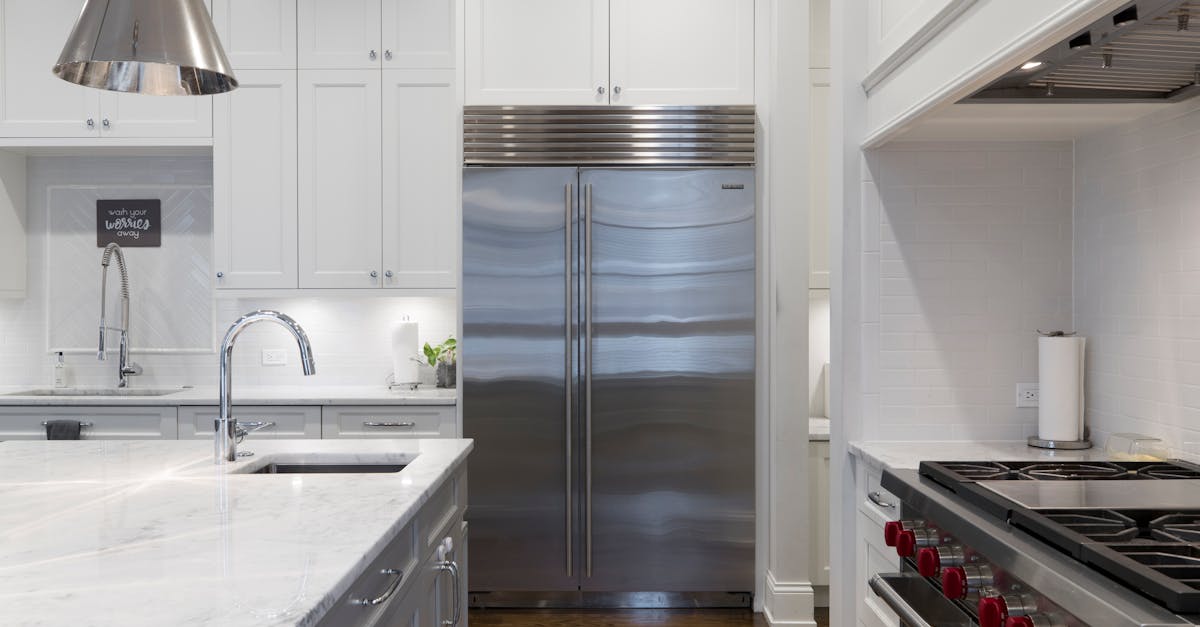
Refrigerator Warm but Freezer Cold: A Comprehensive Guide to Troubleshooting Your Sub-Zero Appliance
Experiencing a refrigerator warm but freezer cold is a common frustration for many homeowners, especially those who appreciate the quality and performance of high-end appliances like Sub-Zero. Understanding the root causes of this issue can save you both time and money, and ensure the longevity of your valuable kitchen investment. At Sub Zero Repair Austin, we specialize in identifying and repairing complex issues with Sub-Zero appliances. This blog post will meticulously guide you through the causes, troubleshooting steps, and actionable solutions for fixing a refrigerator that is warm while the freezer remains cold.
Table of Contents
- Understanding the Issue
- Common Causes of a Warm Refrigerator
- Troubleshooting Steps for Homeowners
- When to Call a Professional
- Preventative Maintenance Tips for Sub-Zero Owners
- Trust Your Appliance with the Experts
- Call to Action
Understanding the Issue
A refrigerator warm but freezer cold typically stems from airflow restrictions between compartments, meaning that the cold air generated in the freezer isn’t able to circulate to the refrigerator. Common culprits of this problem can include frosted evaporator coils, blocked vents, faulty evaporator fans, or defrost system failures. Regular maintenance and timely service can prevent these issues, keeping your Sub-Zero performing at its best.
This blog will unfold the mysteries behind this prevalent problem and provide insights from our certified technicians at Sub Zero Repair Austin. From identifying error codes related to airflow issues to implementing preventative maintenance routines, we’ve got you covered.
Common Causes of a Warm Refrigerator
- Frosted or Iced-Over Evaporator Coils: When frost builds up on the evaporator coils in the freezer, it blocks cold air from flowing into the refrigerator compartment. This is often the result of a defrost system failure, which can be related to faulty heaters, thermostats, timers, or controllers.
- Blocked Air Vents: If the vents that allow cold air to flow between the freezer and refrigerator are obstructed—sometimes due to overpacking items—the result can be a warm fridge section.
- Faulty Evaporator Fan or Motor: The evaporator fan is responsible for circulating the cold air within the appliance. If this fan fails (whether due to a burned-out motor, jammed blades, or icing), the refrigerator won’t receive the necessary cold air.
- Damper Control Issues: The damper regulates cold air from the freezer to the refrigerator. If the damper is stuck or has failed, it will block airflow, causing temperature imbalances.
- Incorrect Thermostat Settings or Door Seal Problems: A thermostat set too low or a door that isn’t closing properly (often due to a failed gasket) can introduce warm air into the refrigerator, causing it to heat up.
- Dirty Condenser Coils: When the condenser coils are covered in dust or grime, cooling efficiency is reduced, potentially resulting in temperature discrepancies between compartments.
- Other Complex Issues: Problems such as compressor malfunctions, control board failures, or defrost drain clogs can also lead to similar symptoms. If basic troubleshooting fails, these are likely candidates that require professional assistance.
Troubleshooting Steps for Homeowners
Before calling for professional help, there are several troubleshooting steps you can take to potentially resolve the issue. Follow these in order, ensuring safety by unplugging the unit before checking internal components.
- Check and Adjust the Thermostat: Make sure the thermostat is set to the optimal temperature, ideally around 37°F (3°C). Verify that it hasn’t been accidentally turned to the off position.
- Inspect Doors and Seals: Confirm that refrigerator and freezer doors are closing properly. Scrutinize the rubber seal for signs of wear, dirt, or misalignment, which could allow warm air to enter. Clean or realign the gasket if necessary.
- Clear Vents and Rearrange Items: Inspect the interior and remove obstructions from air vents. Overpacked items can hinder airflow; ensure nothing is blocking the connect points.
- Clean the Condenser Coils: Reaching the coils typically located around the back or bottom of the fridge, vacuum away built-up dirt and dust, which can impede cooling efficiency.
- Defrost Manually: If you see excessive frost on the evaporator coils, manually defrost the unit by unplugging it and using towels to soak up any melting ice. If this issue appears recurrently, it may signify a defrost system failure.
- Test Fans: Open the freezer door and check for the evaporator fan’s operation. You can also manually spin the fan blades to ensure they’re free of obstruction. Repeat this for the condenser fan as well.
- Examine the Defrost System: Look for excessive frost accumulation on the coils. If present, a multimeter may be necessary to check the continuity of the defrost heater and thermostat.
| Symptom | Likely Cause | DIY Fix Possible? |
|---|---|---|
| Frost on coils | Defrost failure | Manual defrost; call a pro for parts |
| No fan noise or airflow | Evaporator fan issue | Test or replace fan |
| Uneven cooling | Blocked damper or vents | Clear obstructions |
| Warm air despite cold freezer | Air circulation block | Rearrange + clean coils |
When to Call a Professional
If your attempts at troubleshooting yield no success, it’s time to consult with professionals like those at Sub Zero Repair Austin. We specialize in diagnosing and repairing complex issues, including compressor failures, electrical faults, and advanced defrost systems. Our certified master technicians use unique diagnostic protocols designed specifically for Sub-Zero appliances, ensuring accurate and reliable results.
Symptoms such as water pooling inside or unusual noises from the appliance should be treated as urgent signs that professional intervention is necessary. Ignoring these cues can lead to food spoilage or further appliance damage.
Preventative Maintenance Tips for Sub-Zero Owners
- Regular Cleaning: Twice a year, clean the condenser coils to prevent dust buildup and maintain optimal efficiency.
- Door Check-ins: Frequently check door seals for air tightness to minimize warm air intake and energy consumption.
- Proper Packing: Avoid overpacking your refrigerator to ensure adequate airflow between shelves.
- Thermostat Inspection: Regularly confirm your thermostat readings align with optimal cooling temperatures.
- Defrosting Routine: Understand that if frost builds up quickly or frequently, it could indicate an issue with your defrost system, which should be addressed preemptively.
Trust Your Appliance with the Experts
Now that you’re equipped with knowledge about why your refrigerator might be warm while your freezer remains icy, you can act decisively. Should you run into challenges or if your troubleshooting steps lead to further complications, don’t hesitate to reach out to Sub Zero Repair Austin.
Our team specializes in high-quality, factory-spec repairs and genuine Sub-Zero parts, ensuring that your appliance functions as intended. With our boutique, personalized service approach, we pride ourselves on providing diagnoses and repairs tailored specifically to your needs.
Call to Action
Do not wait until your refrigerator is no longer performing. For expert assistance or to schedule a service appointment, contact Sub Zero Repair Austin today! Our team is here to provide you with prompt, professional service guaranteed to uphold the luxury and quality you expect from your Sub-Zero appliance. For immediate inquiries or to book a consultation, visit our website or call our friendly service team at +1 (737) 373-3620.
Stay proactive and keep your home running smoothly with Sub Zero Repair Austin!